Blog
Hard skills expire, soft skills compound, and in-house AI capabilities are no longer optional
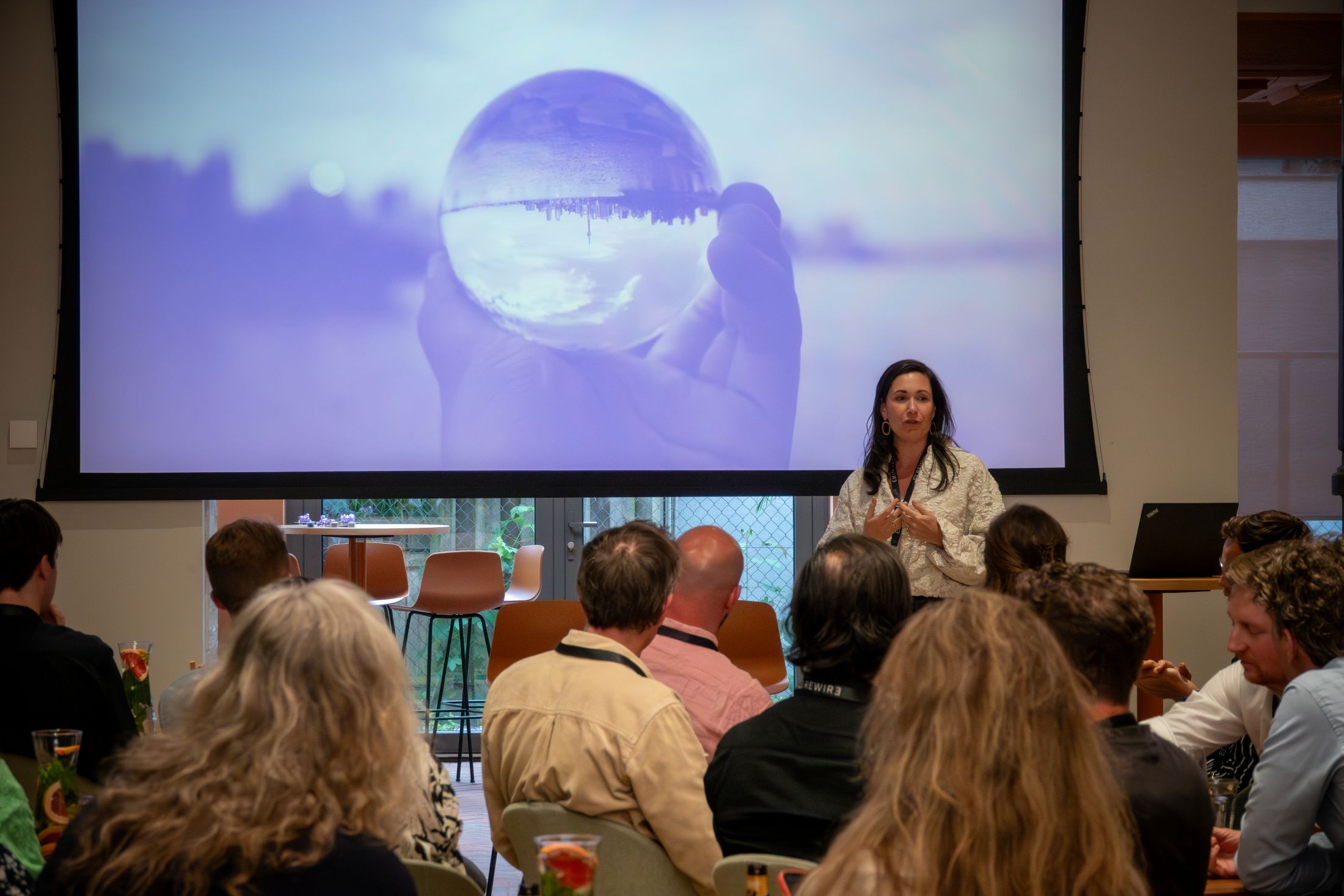
Every year, the people who completed Rewire's GAIN programme (a multi-week immersive Data & AI programme, pioneered nearly 20 years ago) gather for an evening. This year, the format combined a vibe coding workshop, dinner, and a series of interviews with past participants.
Listening to those conversations, one can glean useful insights about AI adoption in enterprise environments.
Hard skills expire. Soft skills compound
For one, the technical landscape is evolving at remarkable speed. Graduates who trained on SPSS years ago are now working with tools that did not exist when they started. The coding skills remain relevant, but they require active, conscious investment in time and effort.
What has not changed, and shows no sign of doing so, is the value of soft skills: data-driven communication; the ability to structure an argument; visualisation that makes an insight legible to someone who did not build the model. These skills are, as one alumnus puts it, taught in almost exactly the same way they were twenty years ago.
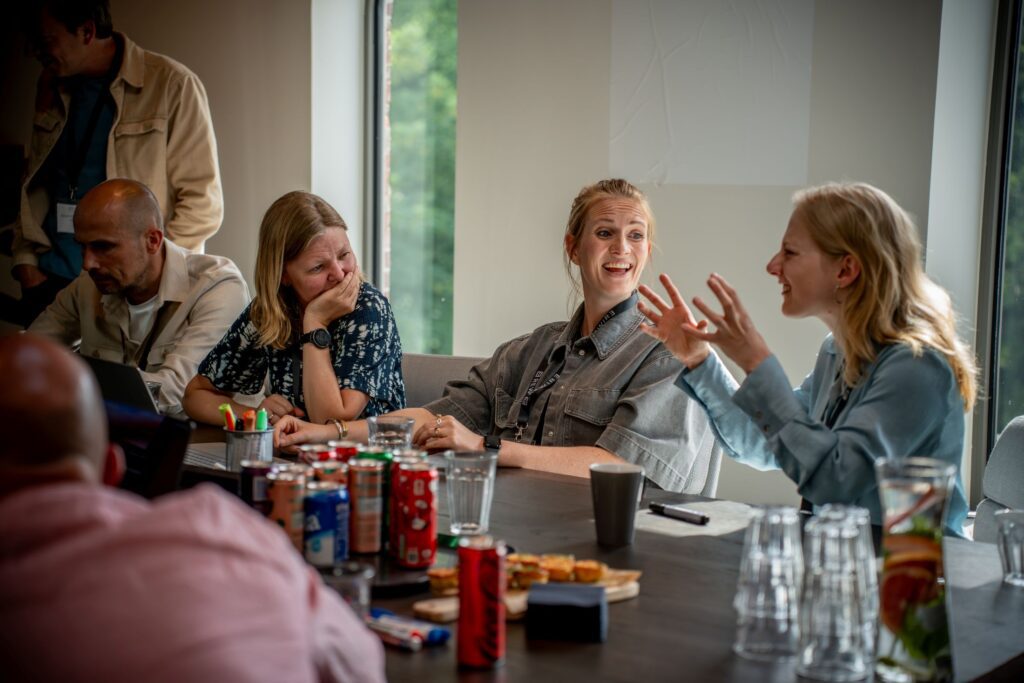
The implications for organisations investing in AI capability are: technical training depreciates quickly. The skills that compound are the ones that help people translate between what a model produces and what a business needs to do.
In-house capability is no longer optional
A second thread running through the evening is the fact that not long ago, many organisations could treat AI as something to be bought in: a vendor relationship, a tool configured by a contractor. That calculation has shifted.
The productivity gains now available to individuals — particularly around coding, but increasingly across a far wider range of knowledge work — are serious enough that they cannot be ignored at the organisational level, lest they miss out on productivity gains.
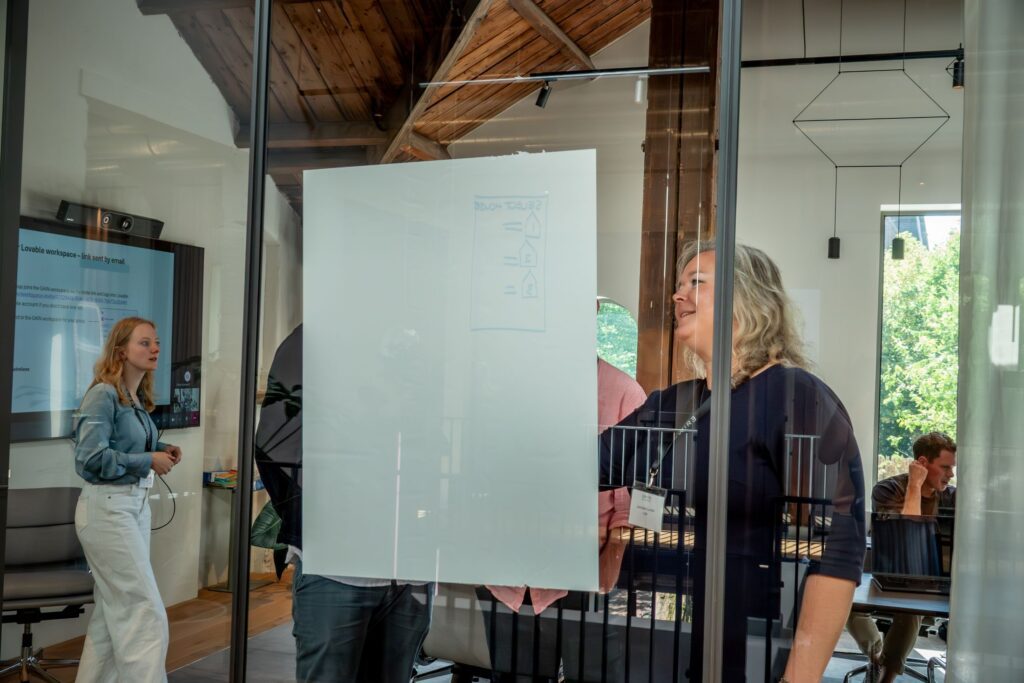
Basic AI literacy is now a given. Knowing how to implement AI tools inside a specific organisation — with its particular processes, constraints, data, and culture — is the harder and more consequential skill. That second capability requires people who are close enough to the work to see the opportunities, and technically grounded enough to pursue them.
What no curriculum teaches
Beyond the bootcamp and training programs, GAIN is a network where people who trained together stay in contact and pass their knowledge to younger Data & AI cohorts of practitioners.
An alumnus who joined one of the first ever bootcamp nearly 20 years ago urged younger alumni to explore widely early in their career and not to be too afraid of failure. The people who develop real expertise in this field are, almost without exception, the ones who were willing to try things that did not work.
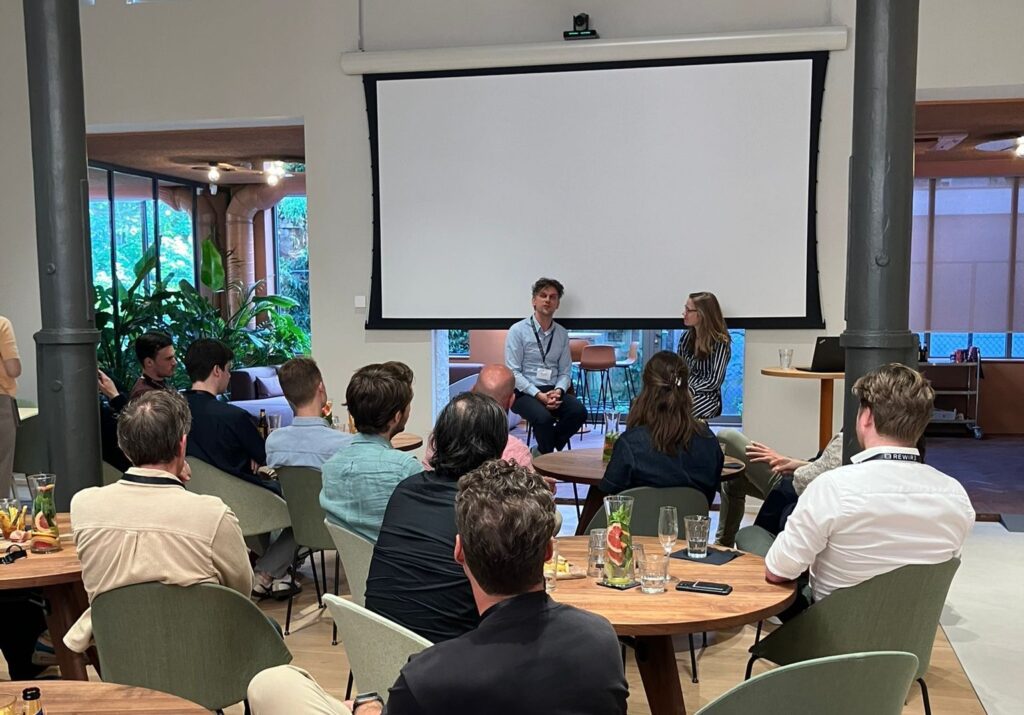
The peer group that GAIN creates is, in some respects, as valuable as the curriculum itself. When you encounter a problem you have not seen before, it matters enormously to have people you can call who already share the language. That kind of network emerges from shared experiences and from dinner conversations that run longer than planned. This year, by all accounts, they did.
Build lasting Data & AI capabilities
AI investment delivers impact only when people know how to use it.
Rewire's GAIN training programmes — from company-wide AI literacy to executive crash courses and expert data science tracks — build the knowledge and skills to develop the right use cases and embed AI into the way your organisation thinks, communicates, and acts.
Bespoke. Tailored to your organisation. Built to last.


